
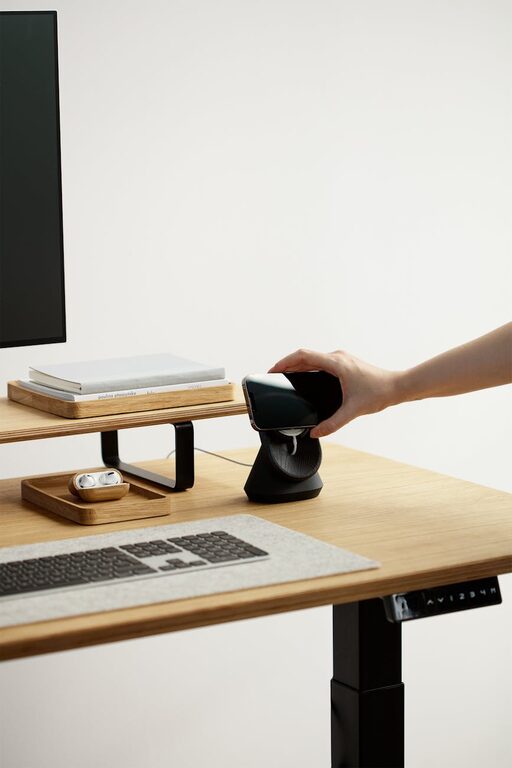
Creating a relaxing home workspace is essential for maintaining productivity and well-being while working remotely. A well-designed environment can reduce stress, improve focus, and make your workday more enjoyable. Whether you have a dedicated room or a small corner in your living space, these tips will help you craft a calming area tailored to your needs.
Why a Relaxing Workspace Matters
When working from home, distractions and stress can easily creep in. A cluttered or uncomfortable space can negatively affect your concentration and mood. By intentionally designing a workspace that promotes relaxation, you create the foundation for better work habits and overall happiness.
Choosing the Right Location
Consider Natural Light
Whenever possible, set up your workspace near a window. Natural light boosts mood and energy, making it easier to stay alert. Position your desk so that the light comes from the side to avoid glare on your screen.
Minimize Noise and Distractions
Look for a quiet corner away from high-traffic areas. If background noise is unavoidable, consider noise-canceling headphones or a white noise machine to help maintain focus.
Make Use of Vertical Space
If floor space is limited, use shelves or wall-mounted organizers to keep essentials within reach but off your desk, creating a less cluttered environment.
Furniture and Ergonomics
Invest in a Comfortable Chair
A supportive chair helps prevent back and neck pain. Look for one adjustable to your height with proper lumbar support.
Choose a Desk That Fits Your Needs
Your desk should be large enough to hold your computer, notes, and other essentials without feeling cramped. Standing desks or adjustable desks are excellent options to vary your posture throughout the day.
Add Personal Touches
Decorate your workspace with items that make you happy and relaxed, such as plants, photos, or art. These small touches can boost creativity and improve your mood.
Organizing for Calmness
Declutter Regularly
A tidy space promotes a calm mind. Set aside time each day or week to clear unnecessary papers, tools, or clutter.
Use Storage Solutions
Baskets, trays, or drawer organizers keep supplies grouped and easy to find. Label containers to speed up retrieval and prevent mess.
Keep Cords Managed
Untangle and secure wires with clips or sleeves to avoid a chaotic look and reduce distractions.
Lighting and Ambiance
Layer Your Lighting
Use a combination of ambient, task, and accent lighting. A desk lamp with adjustable brightness helps reduce eye strain during focused work.
Choose Calming Colors
Soft, neutral tones such as blues, greens, or light grays create a soothing backdrop. Avoid overly bright or harsh colors that can cause stress.
Bring in Plants
Plants add freshness and can improve air quality. Easy-care options like succulents or pothos suit most environments.
Establishing Routine and Boundaries
Create a Start-Up Ritual
Prepare your workspace each morning — clear your desk, brew your favorite drink, or take a few deep breaths before working. This signals your brain that it’s time to focus.
Set Boundaries for Work and Breaks
Use timers or apps that remind you to take short breaks. Standing, stretching, or stepping away from your desk briefly can reduce fatigue.
Limit Non-Work Activities
Avoid eating or watching TV in your workspace to help maintain a clear mental association between the area and work tasks.
Technology Tips
Use Blue Light Filters
Blue light from screens can cause eye strain and disrupt sleep. Use software filters or glasses designed to reduce blue light exposure.
Keep Digital Files Organized
Organize folders clearly on your computer. This reduces time spent searching for files and keeps your digital workspace as tidy as your physical one.
Invest in Quality Equipment
Good headphones, microphones, and webcams improve virtual meetings and reduce frustration.
Final Thoughts
Creating a relaxing home workspace doesn’t require a large budget or perfect room. With thoughtful choices in location, furniture, organization, lighting, and habits, you can transform your space into a peaceful and productive area. Start small, experiment with what works best for you, and enjoy the benefits of a calm and focused work environment.