
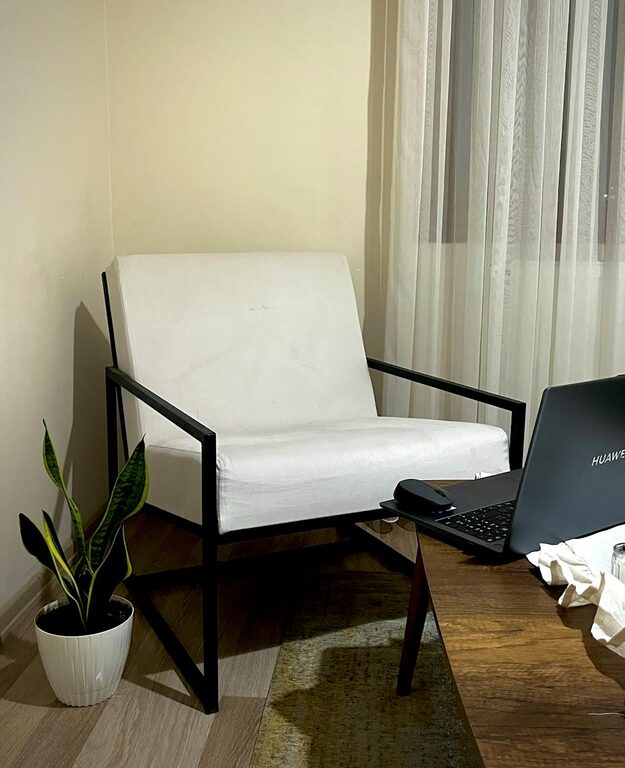
Creating a relaxing home workspace is essential for staying focused and productive, especially as more people work remotely. A well-designed workspace helps reduce stress, improve concentration, and maintain a healthy work-life balance. Whether you have a dedicated room or a small corner, you can turn your area into a calming retreat that inspires productivity.
In this post, we’ll explore practical steps to create a relaxing home workspace that suits your needs and promotes well-being.
Choose the Right Location
The first step in creating a relaxing workspace is selecting the best spot in your home.
– Natural Light: Try to position your desk near a window. Natural light can boost mood and energy levels.
– Quiet Environment: Find a place away from household noise, such as chatter, TV, or kitchen sounds.
– Space: Ensure there’s enough room for your desk, chair, and any equipment you need, without feeling cramped.
If space is limited, consider multi-purpose areas or use room dividers to separate your workspace from the rest of your living space.
Invest in Comfortable Furniture
Comfort is key when you spend long hours at your desk.
– Ergonomic Chair: Choose a chair that supports your back and encourages good posture.
– Adjustable Desk: A desk with adjustable height can allow you to switch between sitting and standing positions.
– Desk Size: Make sure the desk surface is large enough for your computer, accessories, and any notes or papers.
Proper furniture not only helps prevent physical discomfort but also contributes to a more pleasant work experience.
Keep Your Space Organized
A clutter-free environment helps clear your mind and reduces distractions.
– Use Storage Solutions: Bins, shelves, and drawers help keep supplies neatly out of sight.
– Minimal Decor: Limit decorations to a few calming items, such as plants or photos.
– Cable Management: Use clips or sleeves to organize cables and reduce visual clutter.
Regularly tidying your workspace also helps maintain a sense of calm and order.
Incorporate Calming Colors and Elements
Colors can impact your mood and focus. Choose soothing shades that help you stay relaxed.
– Color Palette: Soft blues, greens, and neutrals are known for their calming effects.
– Natural Elements: Adding plants or natural materials like wood can create a peaceful vibe.
– Lighting: Use warm, soft lighting instead of harsh fluorescent bulbs. Consider a desk lamp with adjustable brightness.
These small touches make your workspace feel inviting and reduce anxiety.
Personalize Your Workspace Thoughtfully
Adding personal touches helps you feel comfortable but avoid overloading your space.
– Inspirational Items: Include quotes, artwork, or photos that motivate you.
– Scent: Light a subtle, non-overpowering candle or use essential oil diffusers with scents like lavender or eucalyptus to promote relaxation.
– Music or Sounds: Some people find background music or nature sounds help focus — just keep volume moderate.
The goal is to balance personalization with maintaining a calm, distraction-free zone.
Set Boundaries and Routines
Creating a routine supports a relaxing and productive work environment.
– Work Hours: Define your start and finish times to help separate work from personal life.
– Breaks: Schedule regular short breaks to stretch or rest your eyes.
– Workspace Use: Keep your workspace reserved for work activities to mentally associate it with focus and calm.
Clear boundaries help signal to your brain when it’s time to concentrate and when to unwind.
Add Technology That Supports Relaxation
Technology can enhance your workspace when used thoughtfully.
– Noise-Canceling Headphones: Great for blocking distracting sounds.
– Blue Light Filters: Use software or screen protectors to reduce eye strain.
– Task Management Apps: Keeping tasks organized can reduce stress and keep your day on track.
Avoid multitasking with unnecessary devices to maintain a peaceful atmosphere.
Maintain Your Workspace
Creating a relaxing workspace is an ongoing process.
– Daily Clean-Up: Spend a few minutes at the end of each workday clearing the surface and organizing materials.
– Adjust as Needed: Change your setup if you find certain elements aren’t comfortable or cause distraction.
– Regular Maintenance: Check your equipment, like the chair support and lighting bulbs, to ensure everything is in good condition.
Consistent care keeps your workspace inviting and functional.
—
Creating a relaxing home workspace doesn’t require a big budget or a large space. By paying attention to comfort, organization, and atmosphere, you can design an environment that nurtures focus and well-being. Start small with a few changes, and gradually build a workspace that helps you thrive every day.