
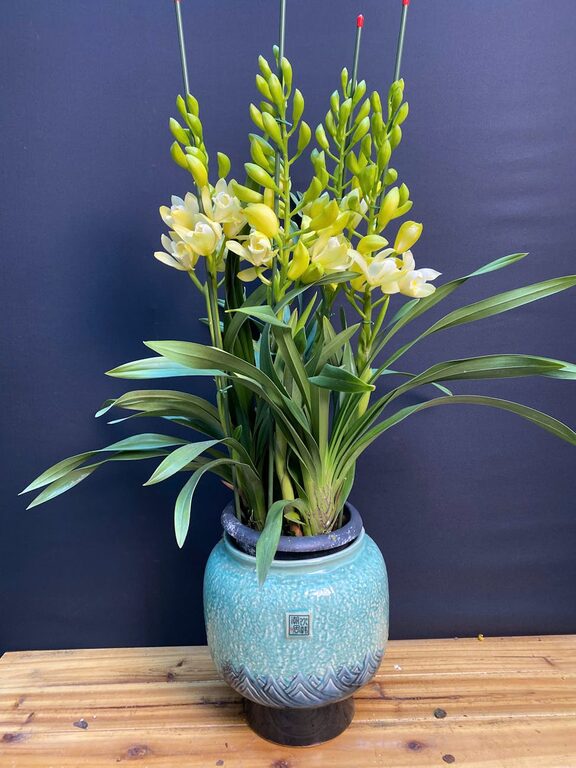
Bringing houseplants into your living space adds color, life, and a touch of nature to your home. Whether you’re a seasoned plant enthusiast or just starting your indoor garden journey, keeping your houseplants healthy can sometimes feel like a challenge. Fortunately, with some basic knowledge and consistent care, you can ensure your plants not only survive but thrive.
In this post, we’ll explore practical tips to maintain your houseplants’ health through proper watering, light, soil care, and more. Let’s dive into how to create the perfect environment for your greenery!
Understanding Your Plant’s Needs
Every plant species has its unique preferences when it comes to water, light, humidity, and soil. Before caring for a plant, it’s important to understand what it needs.
– Research your plant: Check the specific requirements for your plant species. Some thrive in bright sunlight, while others prefer low light.
– Read labels: Many plants come with care tags that offer guidance.
Knowing your plant’s needs will help you tailor your routine accordingly.
Proper Watering Techniques
Watering is one of the most common challenges in plant care. Both under-watering and over-watering can harm your plants.
Tips for Watering:
– Check soil moisture: Stick your finger about an inch into the soil; if it feels dry, it’s usually time to water.
– Water thoroughly: When watering, make sure to soak the soil evenly until water drains from the bottom of the pot. This encourages healthy root growth.
– Avoid waterlogging: Ensure your pot has drainage holes to prevent roots from sitting in water, which can cause root rot.
– Adjust for seasons: Plants often require less water in winter and more during the growing season (spring and summer).
Optimal Lighting Conditions
Light is critical for photosynthesis and overall health. However, the ideal lighting varies widely between plants.
How to Provide the Right Light:
– Identify light levels: Determine if your plant needs direct sunlight, bright indirect light, or shade.
– Use artificial light if needed: If natural light is limited, consider grow lights to supplement light.
– Rotate plants: Turning plants regularly ensures all sides get light and grow evenly.
Choosing the Right Soil and Pot
Healthy roots start with good soil and proper pots.
Soil Tips:
– Use well-draining potting mix suited for your plant type (for example, cacti and succulents need gritty soil).
– Avoid garden soil as it can be too dense and might contain pests or diseases.
Pot Tips:
– Choose pots with drainage holes.
– Select pots sized appropriately—not too big or too small.
– Consider pots made from breathable materials like terracotta for plants that prefer drier soil.
Maintaining Humidity and Temperature
Indoor air can sometimes be dry, especially during the winter months.
Ways to Maintain Humidity:
– Group plants together to create a microenvironment.
– Use a humidity tray with water and pebbles under your pots.
– Mist your plants occasionally, but research whether your particular plant benefits from misting.
– Consider a humidifier if your home is very dry.
Temperature Tips:
– Keep plants away from drafts, heaters, and air conditioners.
– Most houseplants prefer temperatures between 65-75°F (18-24°C).
Feeding Your Plants
Houseplants benefit from nutrients that might be lacking in potting mix over time.
– Use a balanced, water-soluble fertilizer during the growing season.
– Follow label instructions carefully to avoid over-fertilizing.
– Many plants don’t need fertilizer in winter when growth slows.
Pruning and Cleaning
Regular maintenance keeps plants healthy and looking good.
– Prune dead or yellowing leaves to prevent disease and encourage new growth.
– Pinch back stems to promote bushier growth if your plant becomes leggy.
– Clean leaves gently with a damp cloth to remove dust, which improves photosynthesis.
Watch for Pests and Diseases
Keep an eye on signs of trouble:
– Yellowing or spotting on leaves
– Sticky residue or webs
– Wilting or unusual growth
If detected, isolate affected plants and treat with natural remedies or appropriate insecticides.
Repotting When Needed
Plants can eventually outgrow their pots.
Signs your plant needs repotting include:
– Roots coming out of drainage holes
– Soil dries out too quickly
– Plant looks crowded
Repot in fresh soil and a slightly larger pot to give roots room to grow.
Final Thoughts
Keeping houseplants healthy might take a bit of observation and care, but the rewards are well worth it. By providing the right light, water, soil, and attention, your indoor garden will flourish, creating a peaceful and refreshing atmosphere in your home.
Happy planting!